

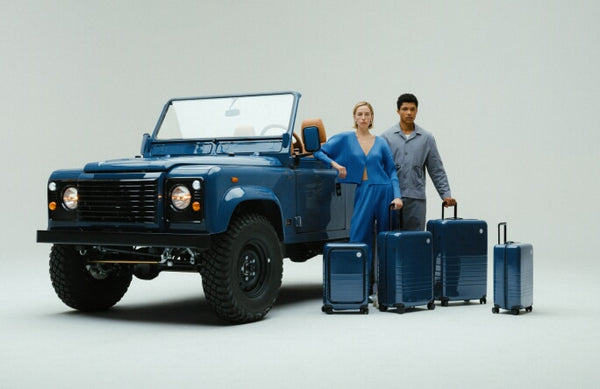

Choosing luggage usually comes down to one core question: polycarbonate or aluminum. Both are premium materials, both can travel for years, and both are used by modern luggage brands – but they behave differently in the real world.
This guide breaks down the differences in plain terms – weight, durability, dents vs scuffs, and which material tends to suit different travel styles.
Browse by collection: Polycarbonate Carry-Ons Aluminum Luggage
The quick answer
Polycarbonate is typically best for travellers who want lighter weight and impact-friendly durability for frequent trips.
Aluminum is typically best for travellers who want a more structured, premium feel, and who don’t mind luggage that develops visible character over time.
How each material behaves on impact
The most important difference is not how the suitcase looks new – it’s how it responds when something goes wrong: dropped luggage, curb hits, overhead bin compression, or baggage handling.
- Polycarbonate tends to flex under impact. That flexibility helps dissipate force, which is why it’s often favored for frequent travel.
- Aluminum tends to deform under impact. That deformation usually shows up as dents and dings – and that is often the material doing its job by absorbing force.
In short: polycarbonate often shows scuffs, while aluminum often shows dents. Both are normal signs of travel.
Weight and day-to-day ease
Weight matters more than most travellers expect – not only for lifting into overhead bins, but also for airline limits. A lighter suitcase leaves more room for what people actually want to bring.
- Polycarbonate is usually lighter. That makes it easier for frequent flyers and anyone who moves quickly through airports.
- Aluminum is usually heavier. It often feels more substantial and structured, but can reduce packing allowance on stricter weight-based airlines.
Aesthetic over time – what “patina” really means
The “right” look is personal. Some travellers want luggage that stays visually clean for as long as possible. Others prefer a piece that records the journey.
- Polycarbonate: tends to maintain its overall shape and show wear primarily as scratches or scuffs.
- Aluminum: tends to develop a lived-in finish – dents, corner marks, and surface patina that becomes part of the story.
Security, structure, and protection
Both materials can protect belongings well – but they feel different in use.
- Aluminum: more rigid and structured. Many travellers choose it when they value the most “solid” feel.
- Polycarbonate: still protective, with more flexibility. Often preferred for a lighter, more forgiving travel experience.
Which trips tend to suit each material
A neutral decision framework is usually more helpful than a single “best” answer.
- Choose polycarbonate if travel is frequent, speed matters, and lighter weight is a priority.
- Choose aluminum if a structured, premium feel matters most, and visible character is part of the appeal.
- Choose based on airline habits – travellers flying stricter weight-limited carriers may prefer lighter luggage.
Still unsure? The easiest next step is choosing the right size first. See: How to Choose a Carry-On and Carry-On Size Limits by Airline (2026).
Side-by-side comparison
This is the simplest way to compare both materials at a glance:
| Category | Polycarbonate | Aluminum |
|---|---|---|
| Weight | Typically lighter | Typically heavier |
| Impact response | Often flexes and rebounds | Often dents and holds shape |
| Wear over time | Scuffs and scratches | Dents, dings, patina |
| Look and feel | Clean, minimal, lightweight | Structured, substantial, iconic |
| Best for | Frequent travel, lighter packing, strict airlines | Travellers who want structure and don’t mind visible character |
Both materials can be excellent – the best choice comes down to travel habits, packing style, and what someone wants to feel in motion.
Where to start
For lightweight everyday travel, explore: Carry-On Luggage. For a structured, premium aluminum experience, explore: Aluminum Luggage.
Journey on.
The right material should feel quiet in the background – protecting what matters and moving smoothly through the miles. When the details are considered, travel feels lighter.